
Two hearts repaired
Ngaih No was nine. Lin Lin Htet was seven. Both were born with a heart malformation that no hospital in Myanmar could correct. This is what it takes to get a child to surgery two thousand kilometres from home — when the road itself is closed.
1 Ngaih No, and everything that stood in the way
December 2023 · Yangon, for a diagnosis
In December 2023 Nimalay set out to help Ngaih No, aged nine. She had been born with a heart malformation. A fundraiser was open to pay for her surgery, and an appointment had been made in Yangon so that a cardiologist could finally examine her properly. All that remained was getting her there.
The road to Kalay had been closed since November 28 because of the fighting. On December 20 word came that it would reopen for a few hours: the team decided to leave that same morning.
Ngaih No spent one last night at home: her family threw her a small party, and in the morning a crowd gathered to see her off. The main road was not safe, so they took a mountain track instead — longer, but safer. Six hours later they reached Kalay. On December 25 they landed in Yangon; it was the first flight of her life.
The tests began the next day. The diagnosis was far worse than anyone had expected: the opening between the ventricles was too large to close by catheter. It would have to be open-heart surgery — and given the risks, not in Myanmar.
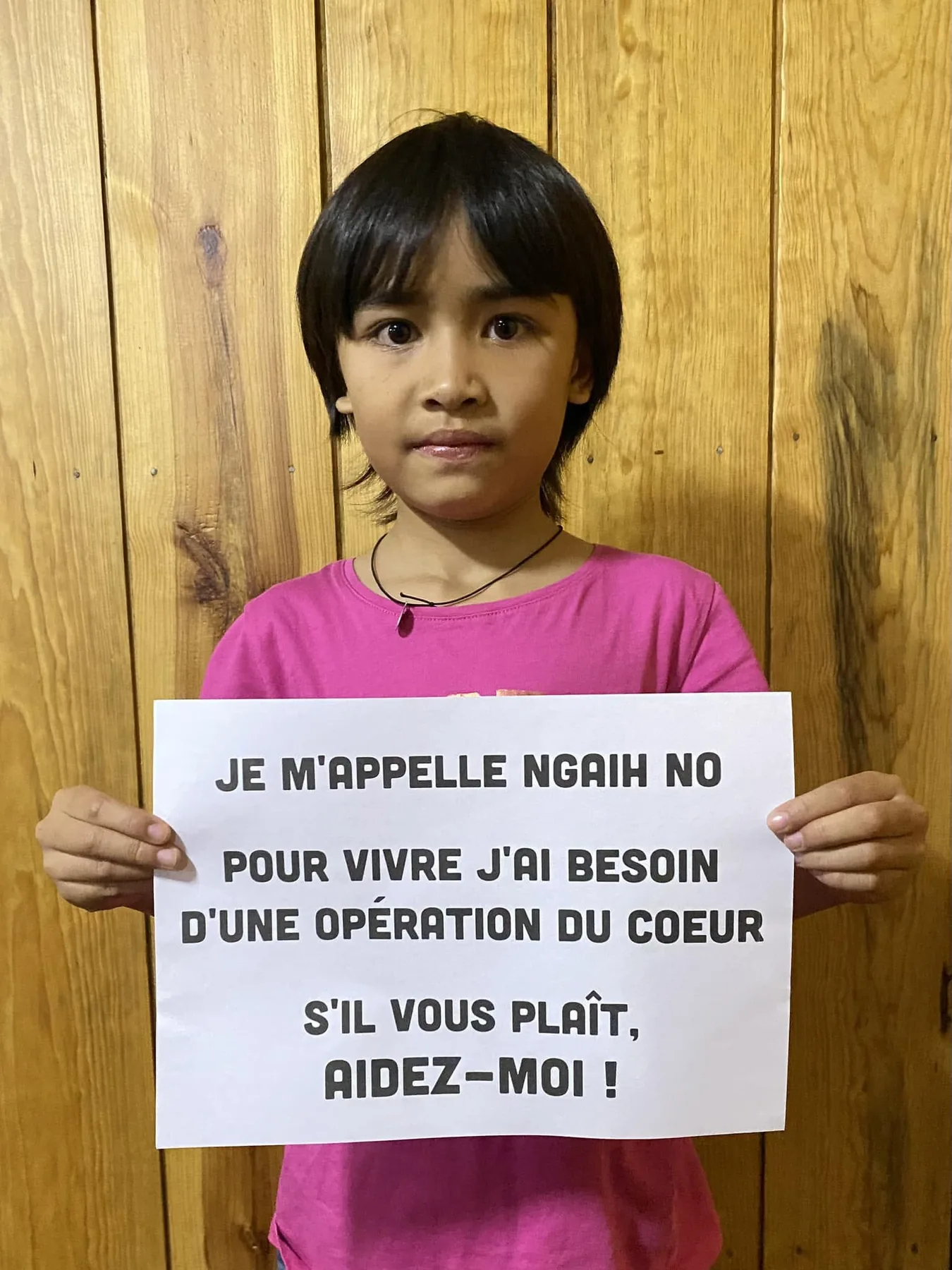
Ngaih No went home. Eleven months of waiting followed. The trip was first set for mid-March 2024, then postponed by the fighting. By the spring the money was raised and the destination settled: it would be Bangkok. In the meantime Ngaih No turned ten and went to the dentist, a required step before any surgery.
October 2024 · Bangkok, for the surgery
In October 2024 a lull finally allowed them to set off again. There were half a dozen checkpoints to clear again, held by different armed forces — and this time the accompanying adult's visa had expired and Ngaih No was travelling without her parents. They got through.
They reached Yangon on October 14 — this time only as a staging post: paperwork, final tests, coordination with the hospital in Bangkok. They flew on to Thailand several weeks later.
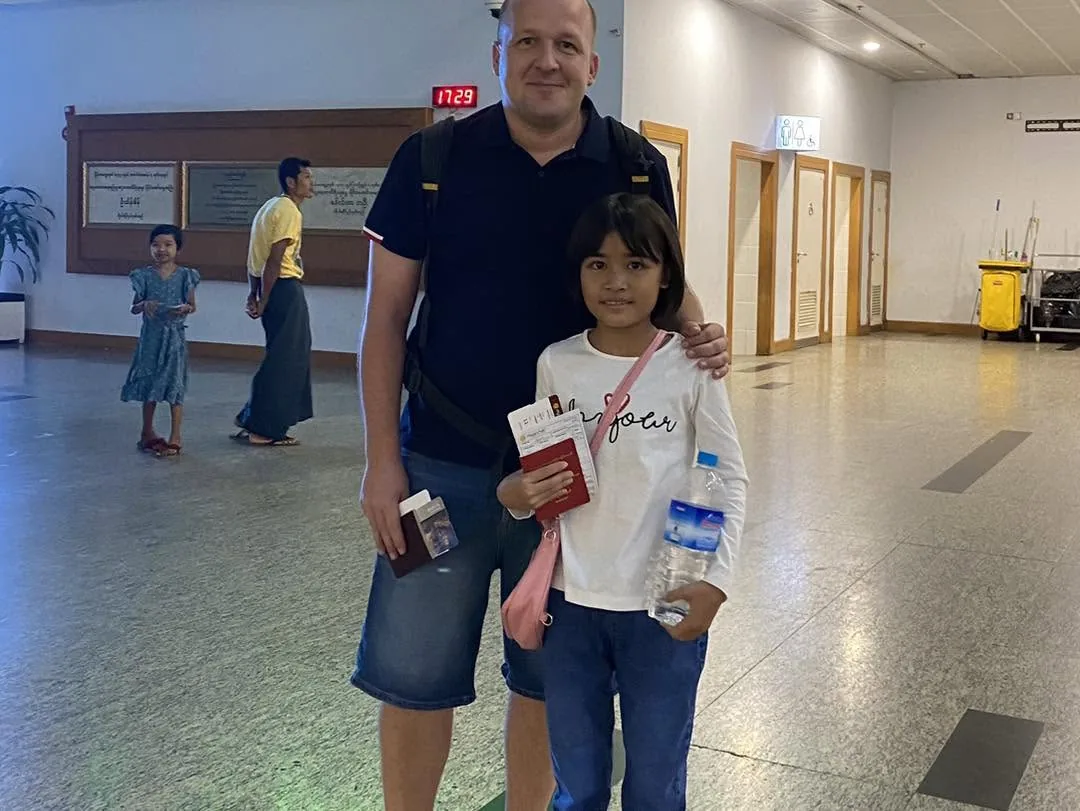
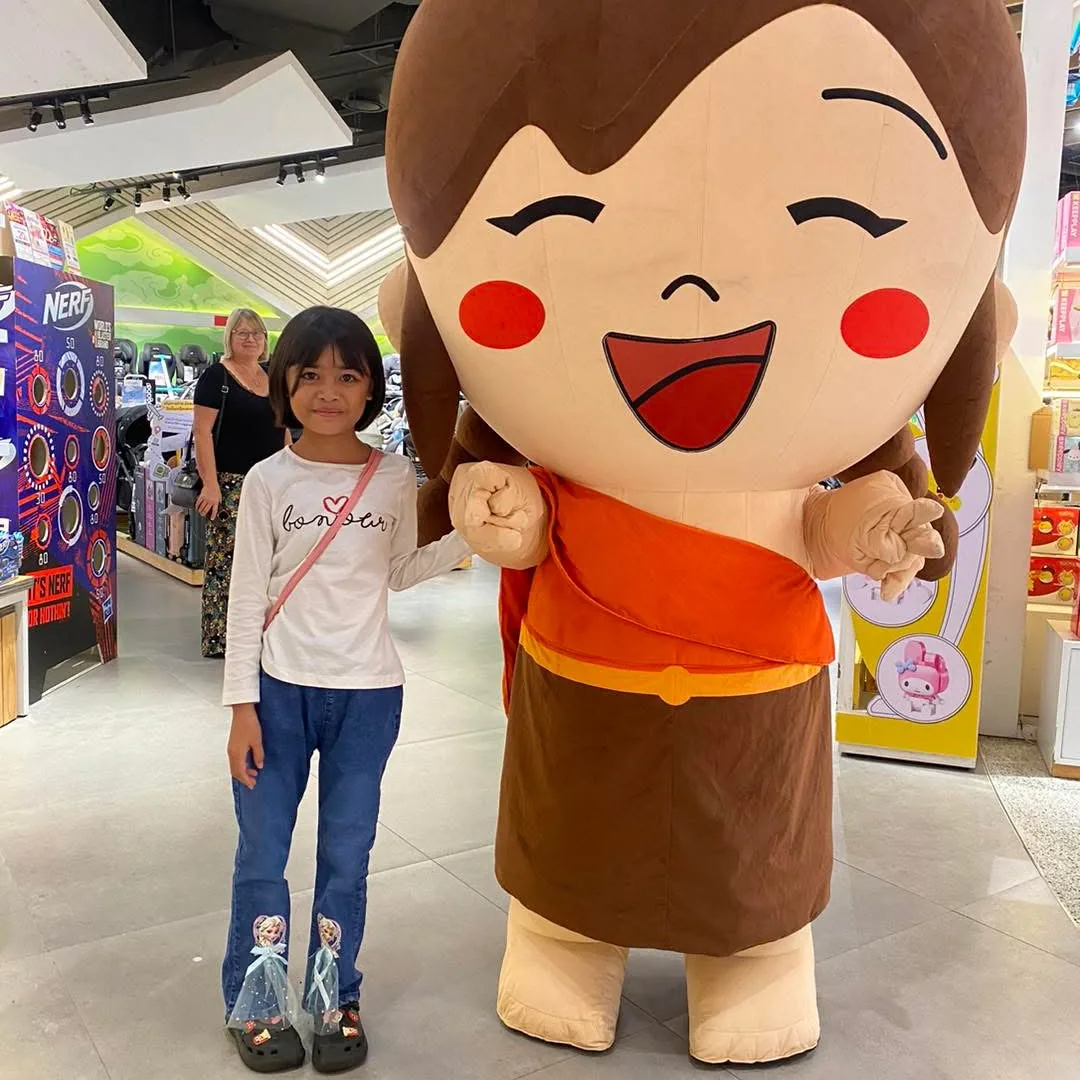
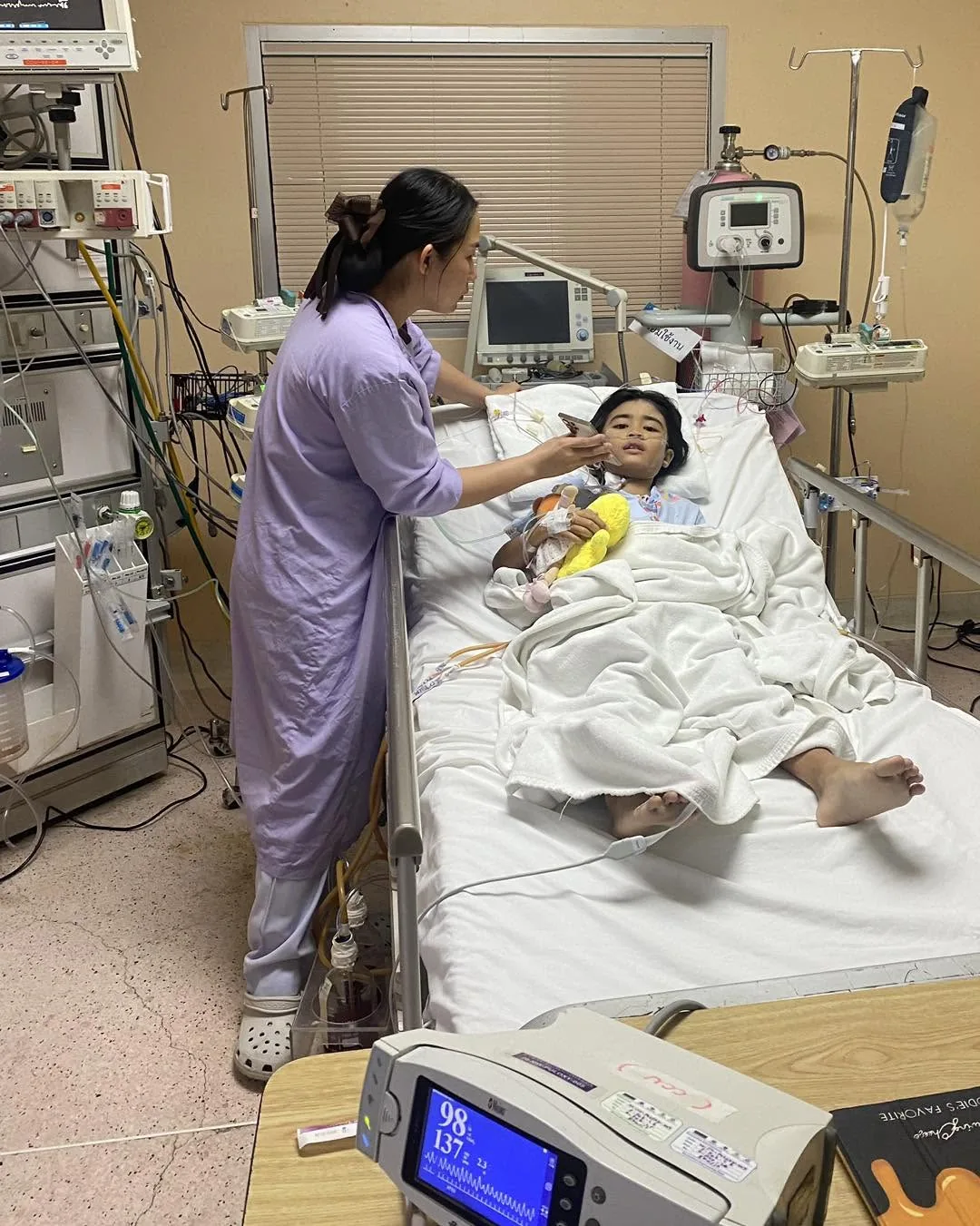
On November 19, 2024, she woke calm and smiling. She cried when the team came for her, and was walked as far as the door of the operating theatre. The wait lasted five hours. The surgeon came out to say it had gone well, with no complications — and that the hours ahead would be decisive.
A few hours later she was awake, breathing unaided, able to whisper a few words. She left intensive care earlier than expected, and the hospital a week after the surgery. The hardest part, for her, was not the pain: it was the visits, limited to a few minutes twice a day.
Around the operating theatre is everything that does not show. A small flat has to be rented in Bangkok: you need to be there before the surgery, and long after it — once Ngaih No was discharged, the check-ups ran on for weeks.
The moment she left intensive care, the person accompanying her slept on the floor beside her bed to watch over her at night, and brought her meals. Then there is the language. The nurses speak Thai, sometimes Burmese; Ngaih No speaks her own Chin language. Someone had to be found to translate.
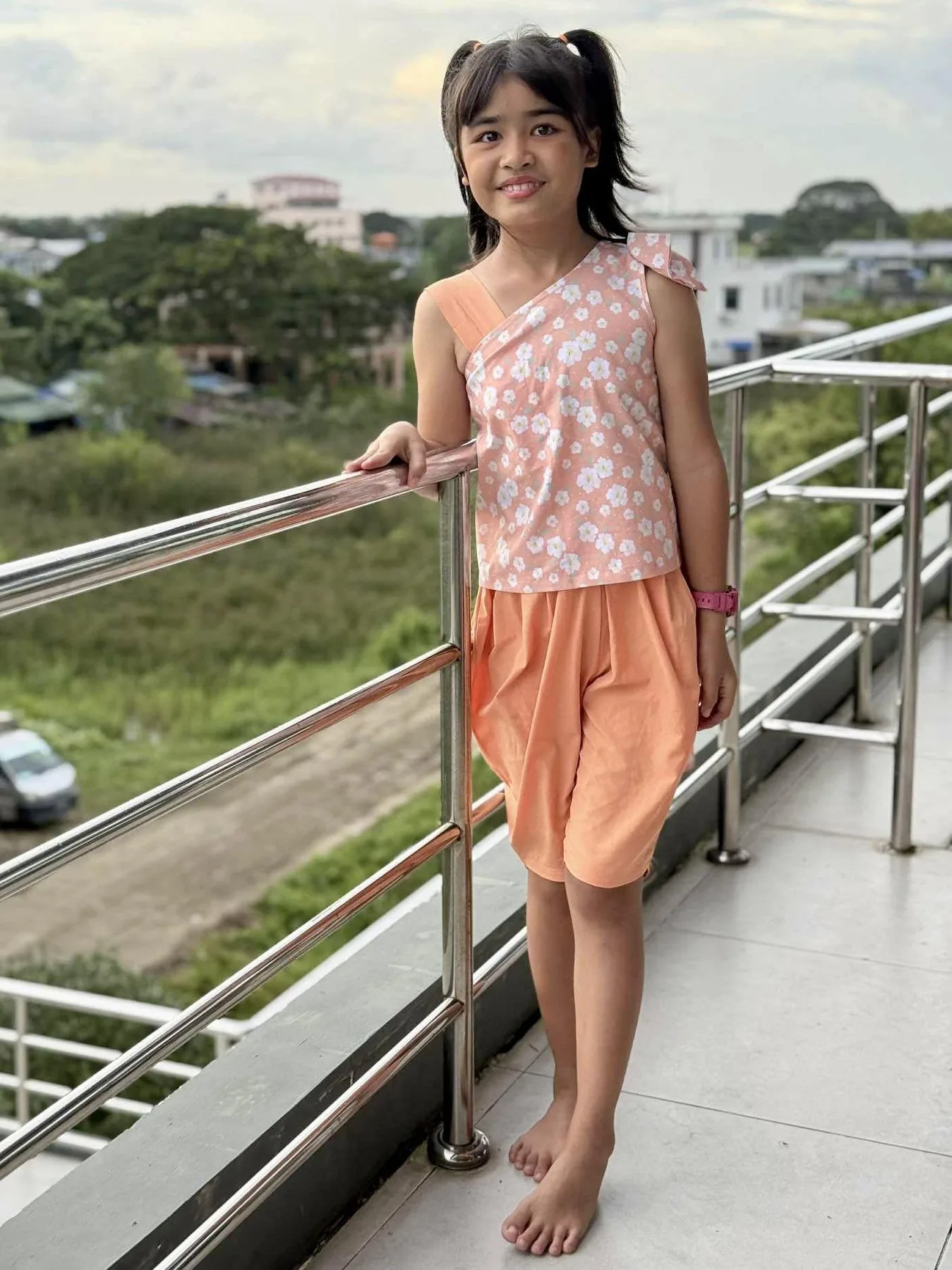
In between: Bangkok in a wheelchair, the aquarium, the waxworks, a weekend in Hua Hin so she could see the sea. Then home to her village in January 2025, where a local cardiologist took over. A year to the day after the surgery, she marked it with a burger with her best friend.
2 Lin Lin Htet, seven hours
Lin Lin Htet is seven, with tetralogy of Fallot and, on top of it, a very rare variation. The appeal opened in January 2026. She reached Bangkok on April 21 after several days of pre-operative tests.
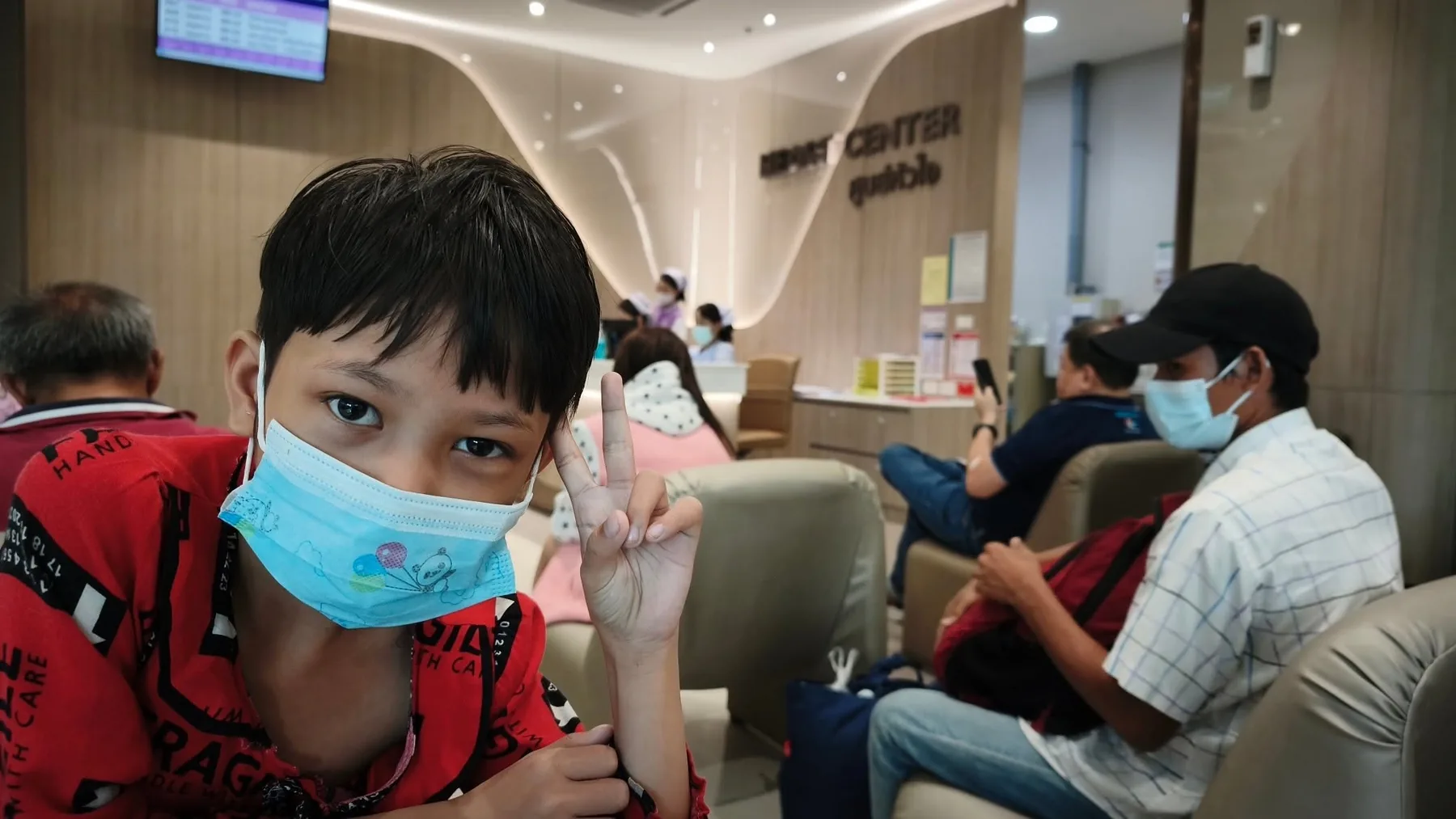
The day before her surgery she played in the little room on the ward and called her mother and grandfather. She asked, unprompted, whether the doctors were going to repair her heart, then admitted she was a little bit frightened. But not too much.
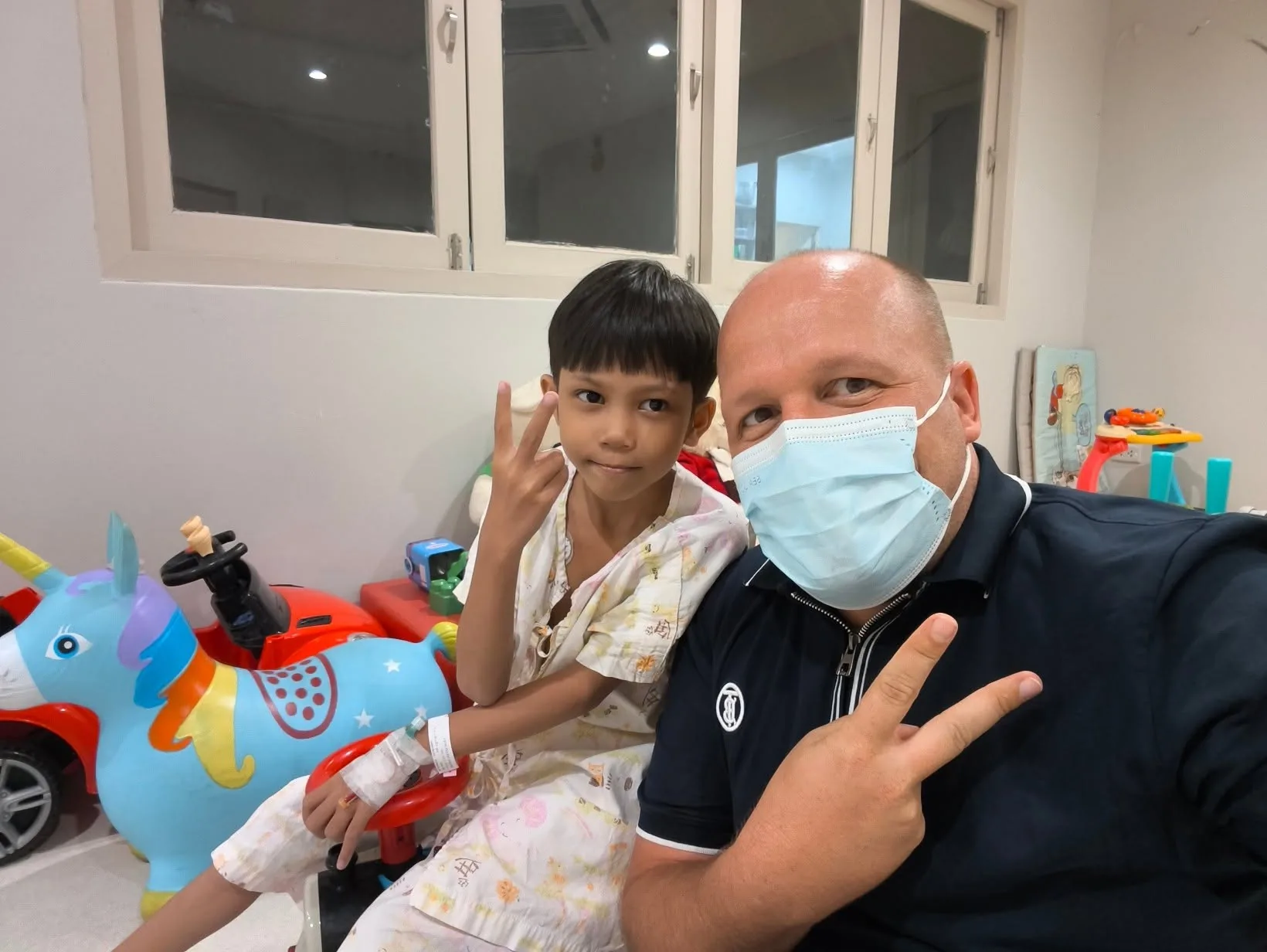
On April 25 she spent seven hours in theatre. Everything went as the doctors had hoped; the next forty-eight to seventy-two hours would be decisive. The next day she was awake, alert, very calm, and did not complain.
Her stay in intensive care ran longer than planned — adrenal insufficiency, common after this kind of surgery, treated while her body recovered. She began to find the days long. One day she was proud to show that she could stand up by herself.
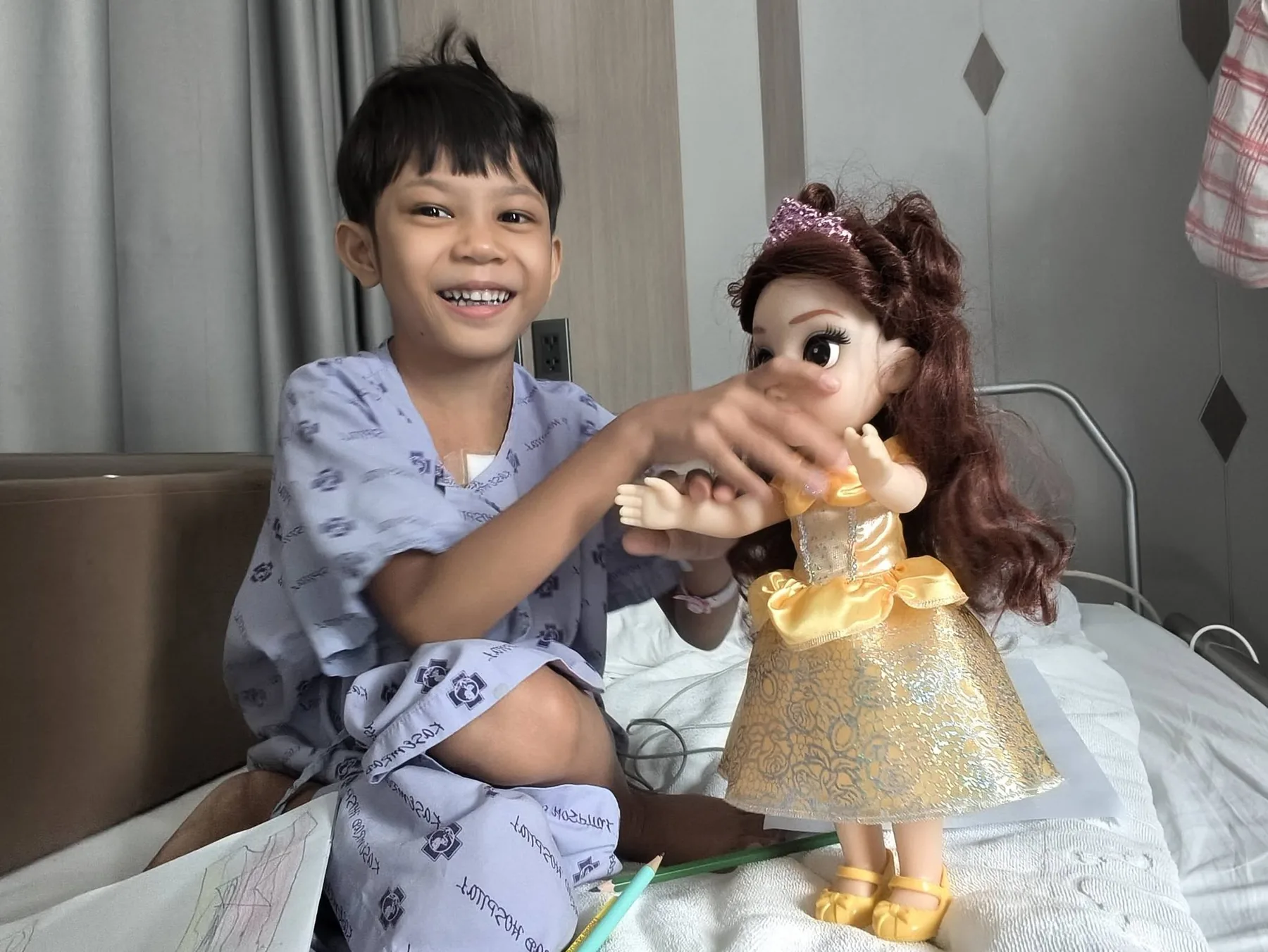
Before going home, a few days to simply be a child: the aquarium, a boat on the Chao Phraya, the skytrain, IconSiam, Chatuchak market. And above all, walking normally, which only weeks earlier had still been hard. On May 19, 2026, Lin Lin Htet went home to her mother and grandfather.
3 What it takes to repair a heart
In Myanmar, heart surgery costs as much as a family earns in several years. Even when the doctors waive their fees, the equipment used during surgery remains out of reach. So the children wait: weeks, months, years. Some do not survive the wait.
That is who “One Heart, One Hope” is for. The simpler cases are treated in Myanmar, for an average of a thousand euros. The complex ones go abroad, with partner NGOs alongside us. A paediatric cardiologist and a cardiac surgeon help identify the most urgent cases and the most fragile families.
Ngaih No and Lin Lin Htet both had their surgery at the Kasemrad Prachachuen hospital in Bangkok, with Dr Pirapat Mokarapong and his teams. None of it would have happened without SolidarBirmanie, Child's Dream Foundation, Children Heart Beyond Borders and the Pediatric Cardiac Surgery Foundation — nor without the hundreds of people who gave, shared, chased leads and sent drawings.
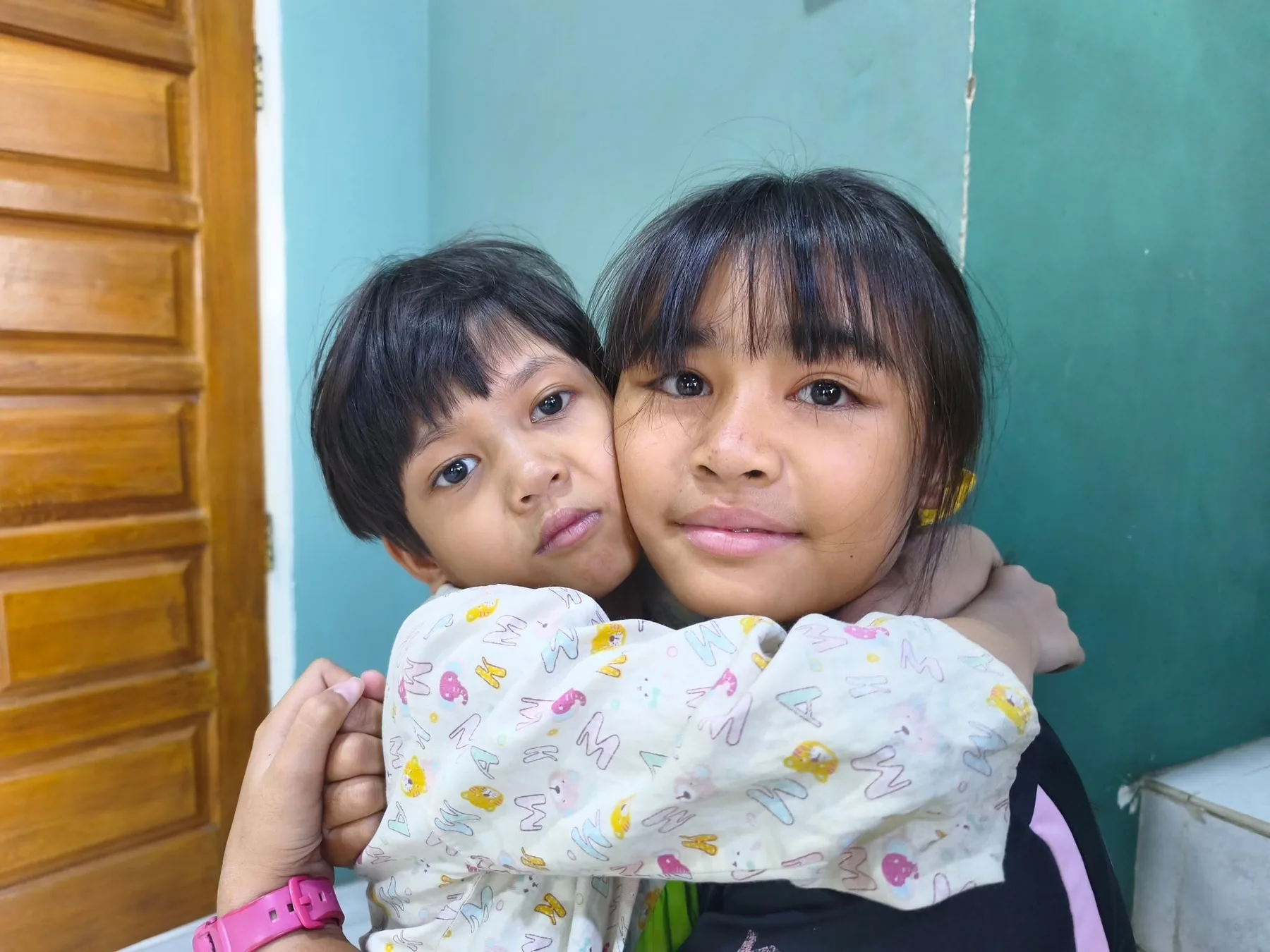
A repaired heart is something real
A diagnosis, the travel, the surgery itself and the follow-up care. That is what “One Heart, One Hope” pays for.
Photographs and accounts from the Nimalay team, December 2023 – May 2026. All the news